Category: Random-Thoughts

सती रानी की कहानी

अपनी परंपराओं के पीछे छिपे इतिहास और अपनी जड़ों को जानने की एक पहल

हमारे कुलश्रेष्ठ समाज में पीढ़ियों से एक मान्यता चली आ रही है – “सती रानी की आन”। इसी मान्यता से जुड़ी एक परंपरा है कि कुलश्रेष्ठ परिवारों में मंगोड़ी नहीं सुखाई जाती और न ही घर के शुभ कार्यों के अवसर पर इसे बनाया या रखा जाता है।

इस परंपरा के पीछे ररुआ की एक रानी की दुखद कहानी जुड़ी है। मान्यता है कि उनके प्रति सम्मान और उनके परिवार के दुख में सहभागी होने के भाव से यह परंपरा पीढ़ी-दर-पीढ़ी निभाई जाती रही है।

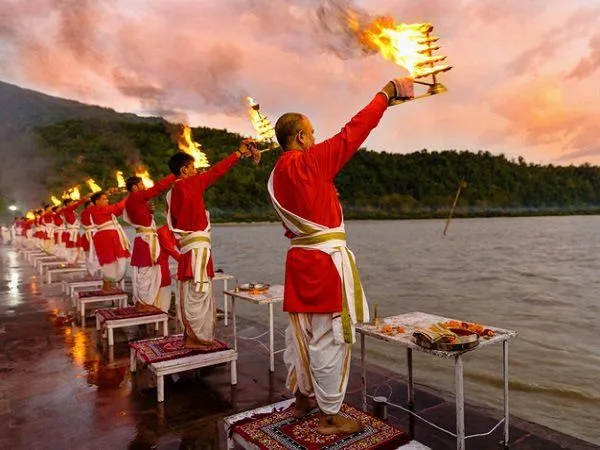
Ganga Saptami

Ganga Aarti being performed on bank of river Ganga

“नदियः पृथ्व्याः जीवनधारा यस्याः संरक्षणं सर्वेषां दैविकम्। प्राणिनां निवासस्थानं यस्याः प्रदेशः पावनः, तस्याः संरक्षणं सर्वेषां मोक्षमयम्।”
Translation:
“Rivers are the life veins of the Earth, whose protection is divine for all. Their regions are abodes of life, sanctified, and their preservation leads to liberation for all.”

In the heart of India, where the mighty Ganges River flows, lies a day of profound significance known as Ganga Saptami. This day, celebrated with great reverence and devotion, marks the birth of the goddess Ganges, a symbol of purity, life, and spiritual enlightenment. The Ganges, revered as a divine entity, is considered the lifeblood of India, flowing through the country’s heartland and touching the lives of millions.

Ayodhya - The kingdom of Ikshvakus

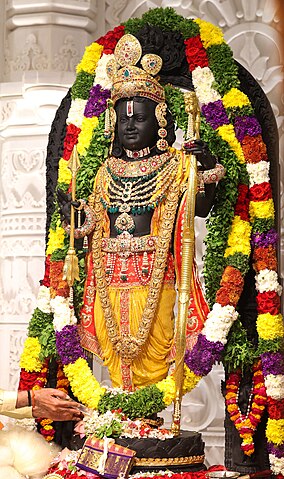
Image of Idol of Lord Ram in Ayodhya Ram Temple

राघव वंश का हर शृंग महान । प्रेम और समर्पण का है यह गान ।।
जय हो राघव कुल, विजयी हो सदा । श्रीराम का वंश, हमारा आदर्श बना ।।

Lord Ram Is an important and most worshipped deity of Sanatan Dharma. He is considered the seventh avatar of Lord Vishnu, who took human form at the cusp of the treta and dwapar yug to stabilize dharma in the world of humans. He is seen as a symbol of chivalry and righteousness.

Laddu: A fascinating journey of a sweet from medicine to popular sweet.

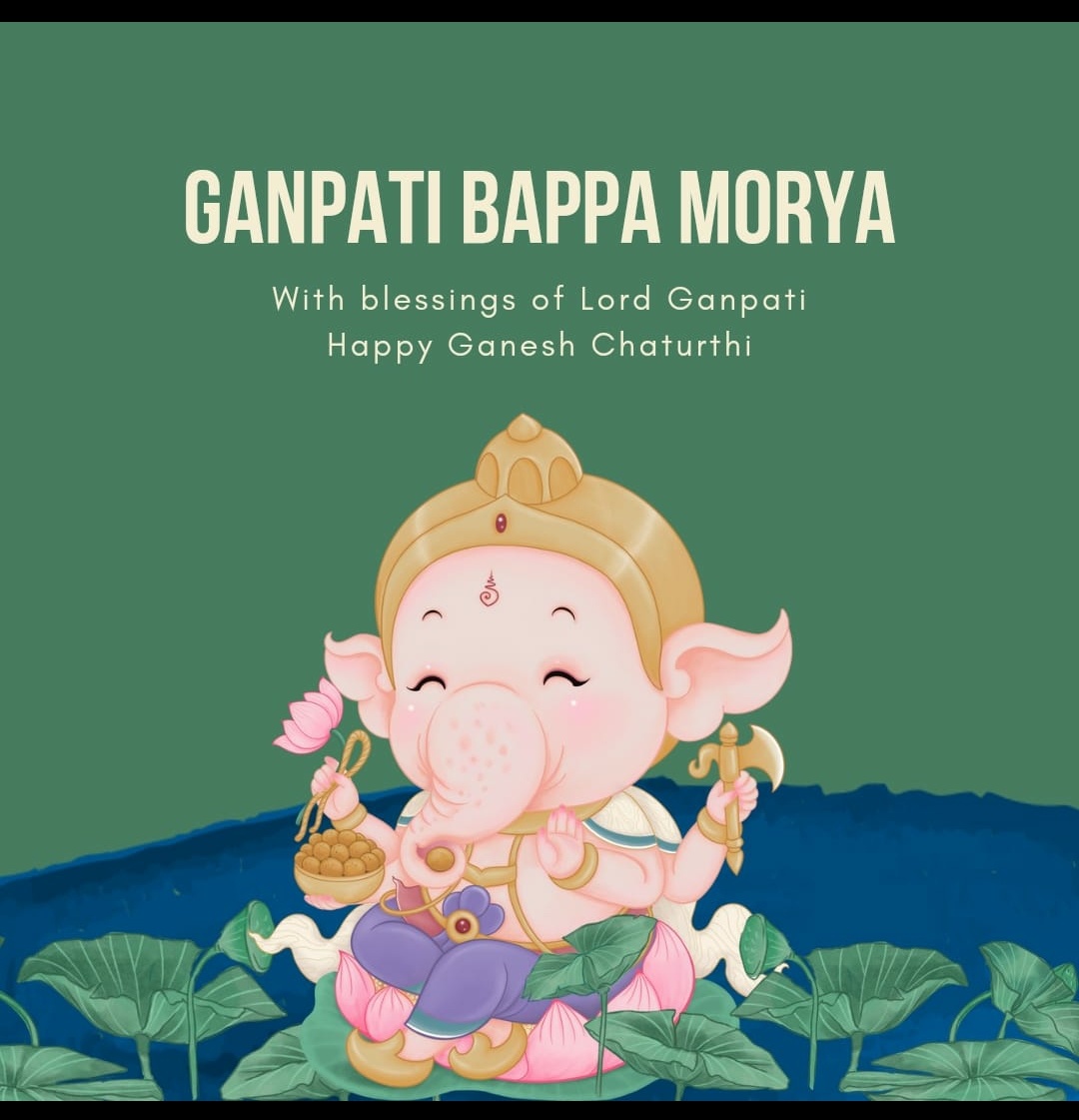
Image of Modaks presented to Lord Ganesha

A Bhartiya thali is incomplete without a sweet or Mithai. We all love sweets and there are varieties to choose from- kheer, halwa, malpuas, barfis and laddus. Every region has its own favorites. But if there was one sweet that could be defined as the national sweet, it would have to be the Laddus. The sweet balls made with flour, ghee, sugar and nuts are undoubtedly the most popular sweet not only of the country but the whole sub-continent. A festival or any occasion seems incomplete without having a laddu.

(Un) Forgotten Tales of Indian Independence - Rani Velu Nachchiyar

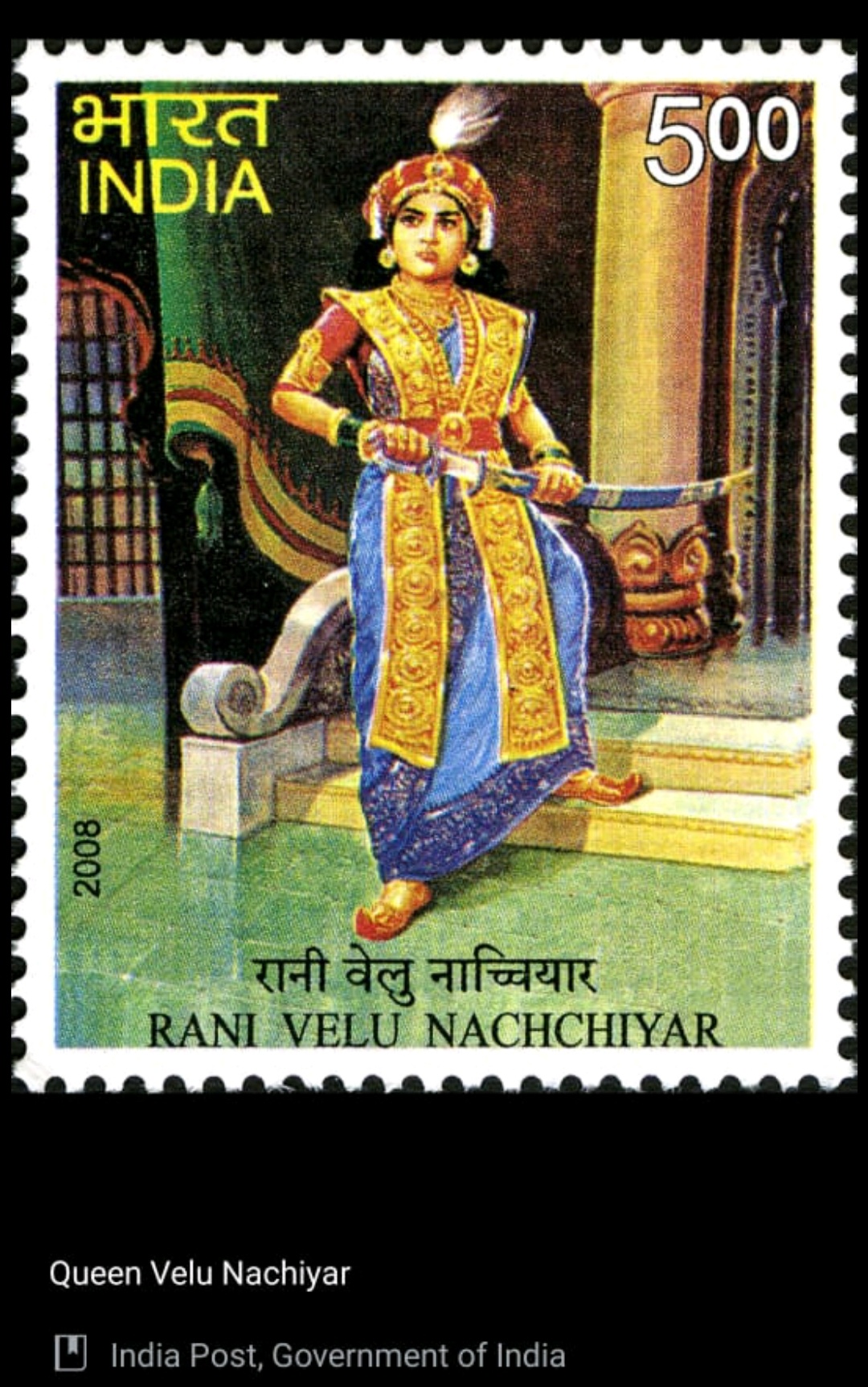
Rani Velu Nachchiar Stamp from Indian Postal Service

Today, we celebrate 76 years of Indian Independence. We join with all the Indians around the world, hoping for a better future for our childrens, and remembering the efforts we took to get here.

Each year Indians on 15th of August, India celebrate Independence day as a mark of the end of British rule and a beginning of a new era. It is a national festival, celebrated by all irrespective of their caste or religion. India’s gaining of independence was a tryst with destiny as the struggle was a long and tiresome one, witnessing the sacrifice of many brave people who laid down their lives for their motherland. The list is long, we know a few, many are forgotten, while some exist in the folklores of their region.

(Un) Forgotten Tales of Indian Independence - Santhals.

Today, we celebrate 75 years of Indian Independence. We join with all the Indians around the world, hoping for a better future for our childrens, and remembering the efforts we took to get here.

On 15th of August 1947, India was declared free from British rule. We all have grown up celebrating this day with patriotic songs and stories of freedom fighters who participated in the struggle for a free nation. The British ruled over India for nearly 200 years. During this period they had introduced policies that were unfavorable for the local people which led to several revolts. Unfortunately, most of the incidents remain in our folklore and find little or no space in our books.

(Un) Forgotten Tales of Indian Independence - Begum Hazarat Mahal

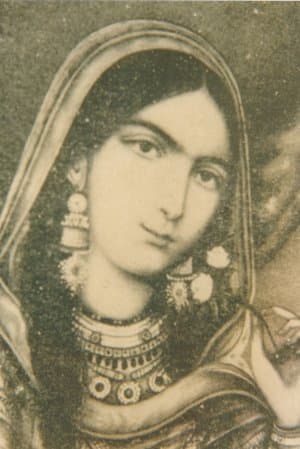
Begum Hazarat Mahal Portarit from Wikimedia

Today, the 15th of August, India is celebrating the day when the country got its freedom. It was on 15th August1947 that India was declared independent from British colonialism and reins of control were handed over to the leaders of the country. It marked the end of almost 200 years of British rule in the subcontinent.

The year of 1857 is significant in the history of India. There was a major uprising against British rule. The British called it Revolt but for Indians , it was the First war for independence. It began as a mutiny in the Company’s Bengal Army at Meerut and then erupted into other mutinies and civilian rebellions chiefly in the Upper Gangetic plains and Central India. Delhi, Kanpur, Lucknow, Jhansi, Gwalior and Patna were some of the major centres of rebellion. We all are aware of the leaders like Rani Lakshmibai, Nana Saheb, Tatya Tope who were the heroes of this struggle, there are some who remained unknown or lesser known, but played an important role in the war of 1857.

Ganga Dussehra

Ganga is the lifeline of North India. It is the longest river, originating from the Himalayas and passing through five states, it covers a distance of about 2525kms before merging into the sea. It is a symbol of faith, hope , culture and sanity, as well as a source of livelihood for millions since time immemorial. Many important cities and pilgrim centers are located on its banks.

Ganga Dussehra is an important day for all Hindus, especially for those living near the river. They visit the river to take a dip in the holy water. It is an auspicious day for giving donations to the poor . In places like Haridwar and Varanasi, Ganga-aarti is performed daily in the evenings, but on this day the Ghats are beautifully decorated and a special aarti is performed. This is the hottest month, it is considered a good act to distribute cold water or Sharbat to poor people and travelers. People would distribute, earthen pots that were filled with sharbat, a hand fan and some fruits along with each pot, to brahmins and poor people. This sweet tradition is now almost forgotten.
Visiting Bhimbetika - where rocks tells the story of civilization.

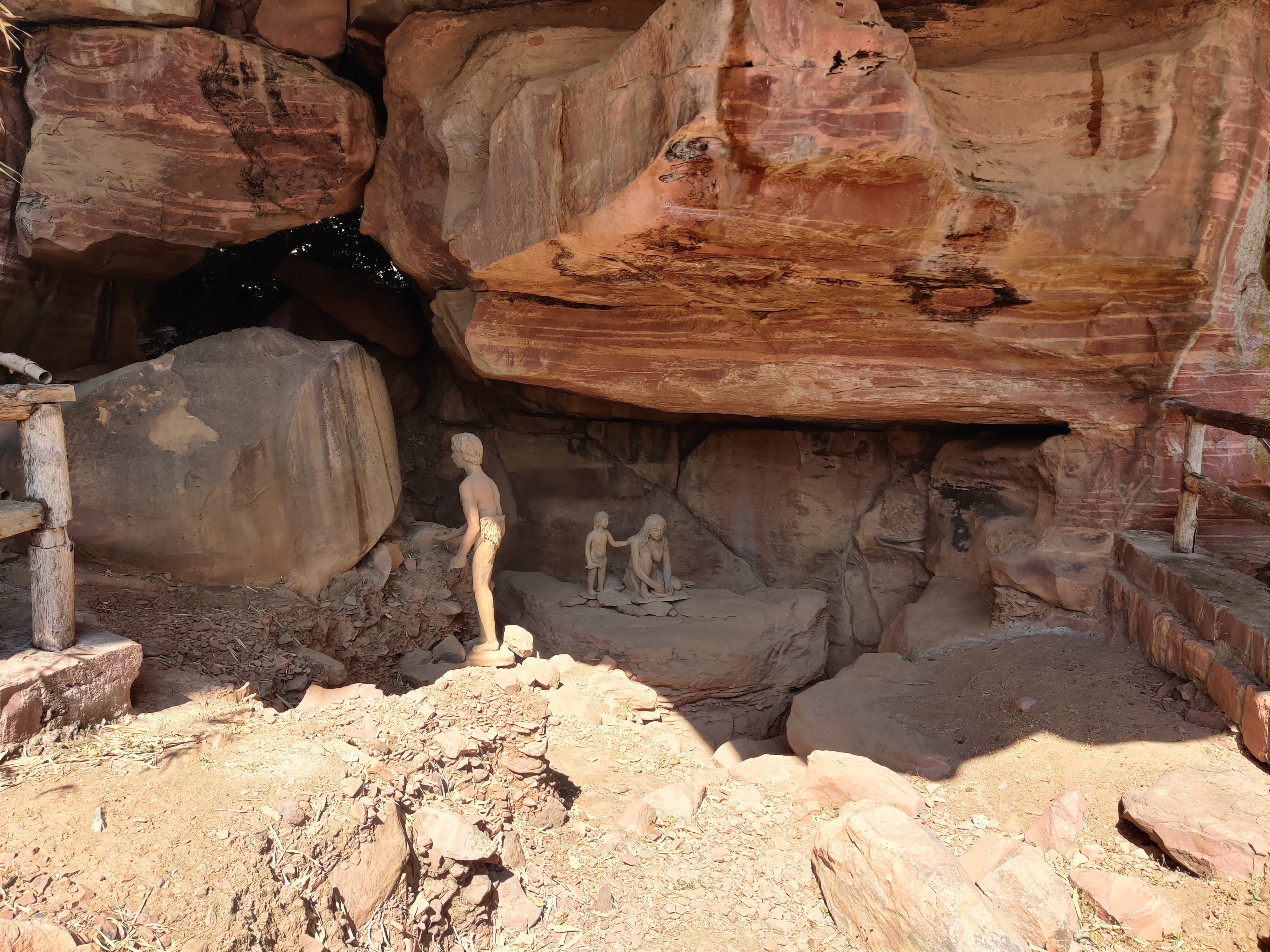
Picture of Bhimbetika cave enterance with statues of children playing.

As children in school, we learnt about the evolution of humans. Early humans were hunters and gatherers. They roamed in forests and lived in caves. But where and how were these caves? The answer lies here in Bhimbetka.

At a distance of about 45 Km from Bhopal, within the premise of Ratapani wildlife sanctuary lies the most wonderful site Bhimbetka, famous for the rock shelters that were home to the earliest man. The shelters discovered in 1957 are of great archaeological importance and have been a UNESCO world heritage site since 2003. The shelters exhibit the earliest traces of human life on the Indian subcontinent and stand as a witness to their transformation from nomadic life of hunters and gatherers to settled cultivators and much more. Their life and wisdom is recorded with paint and brush on the walls of these shelters. The story of Indian civilization begins here. There are hundreds of rock shelters here, most of them are located in deep forest and not easily approachable by road. Only a small colony with about fifteen caves is open for the visitors.

Chaitra Navratri

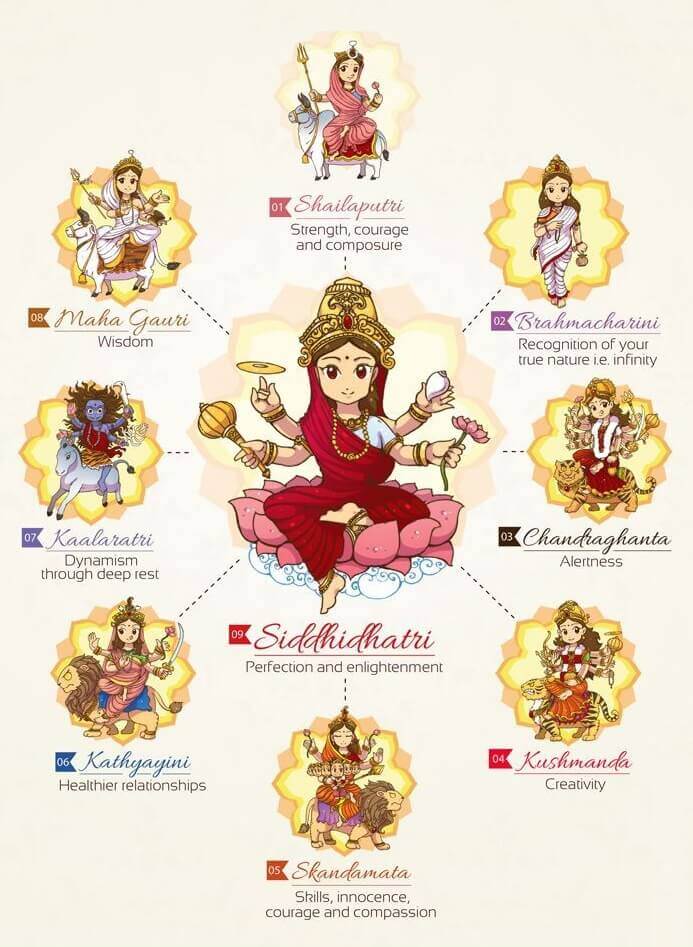
Nav Durga Roop img credit: Ritsin.com

Chaitra Navaratri is the most important and popular festival of Hindus. Navaratri literally translates to festival that spans over nine nights and ten days. The festival is celebrated to honour victory of good over evil. It is dedicated to the worship of the Goddess of Shakti, Ma Durga. During these nine days, Devi Durga is worshipped in nine different forms and each day is dedicated to one form. These nine forms are